 (Share) then "Add to Home Screen"
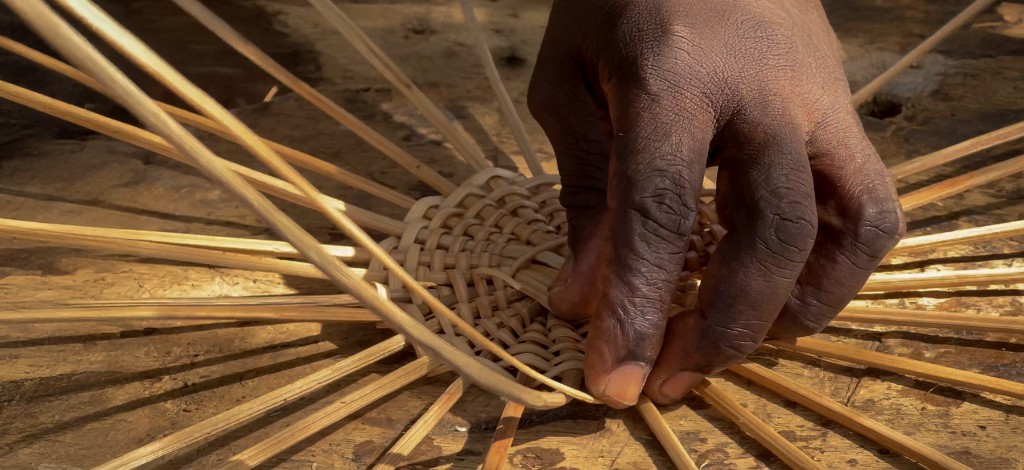
When I first started thinking about Qraftiq, I wasn’t trying to build another marketplace.
There are already plenty of places where people can upload products and put them up for sale. What kept coming back to me was everything that happens around the product once it goes online.
Because putting a product online is one thing.
Building everything needed for someone to discover it, trust it, buy it and receive it is something else.
The problem isn’t the lack of good products
I’ve spent more than 17 years working in product photography, retouching and product presentation. Through that work, I’ve seen how much the way a product is presented can influence how people understand it and whether they trust what they’re seeing.
So naturally, presentation was one of the first things I noticed when I started looking more closely at how African makers were selling online.
There are people making genuinely good products. But often, the quality of the product and the experience around it don’t match.
Sometimes the photographs don’t show the product properly.
Sometimes there isn’t enough information for a buyer to understand what they’re looking at.
Sometimes the product is sitting among thousands of other listings, competing largely on price.
And sometimes the maker is expected to figure out everything else alone.
But the more I looked at it, the more I realised that this wasn’t really a photography problem.
It was much bigger than that.
A good product needs somewhere to be discovered. It needs clear information. It needs a reliable way for someone to pay for it. It needs to get from the maker to the buyer. The seller needs support when something goes wrong. And the buyer needs to feel confident throughout the process.
The problem wasn’t simply visibility. It was the infrastructure around the maker.
Visibility isn’t enough
For years, we’ve been told that African makers need more visibility.
They need to be online.
They need social media.
They need another marketplace.
But visibility on its own doesn’t solve much.
If someone sees a product but can’t understand its size, materials, quality or how it is made, you’ve gained a view — not necessarily a customer.
If a maker has a great product but no reliable way to handle payments or shipping, being online doesn’t solve the problem.
And if a marketplace simply gives someone a place to upload products and then leaves them to figure everything else out, it hasn’t really removed very much of the work.
That was the gap I wanted Qraftiq to address.
So, what is Qraftiq?
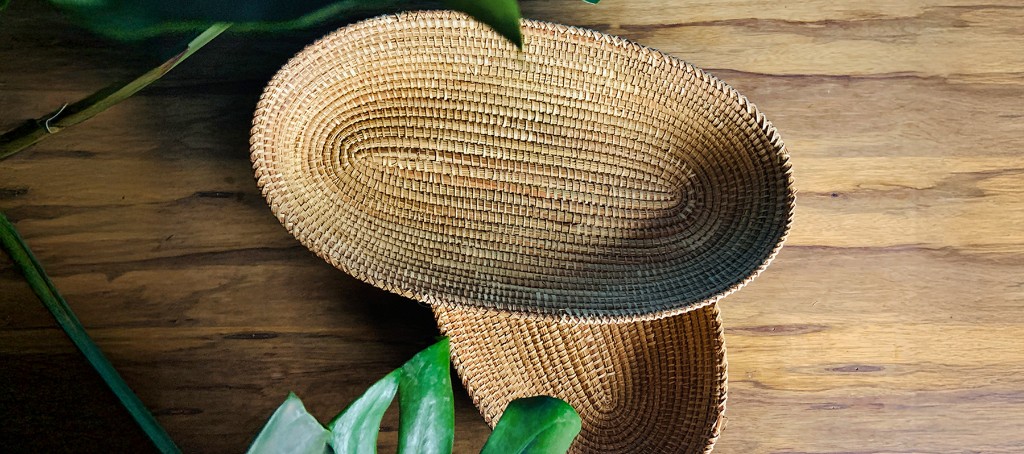
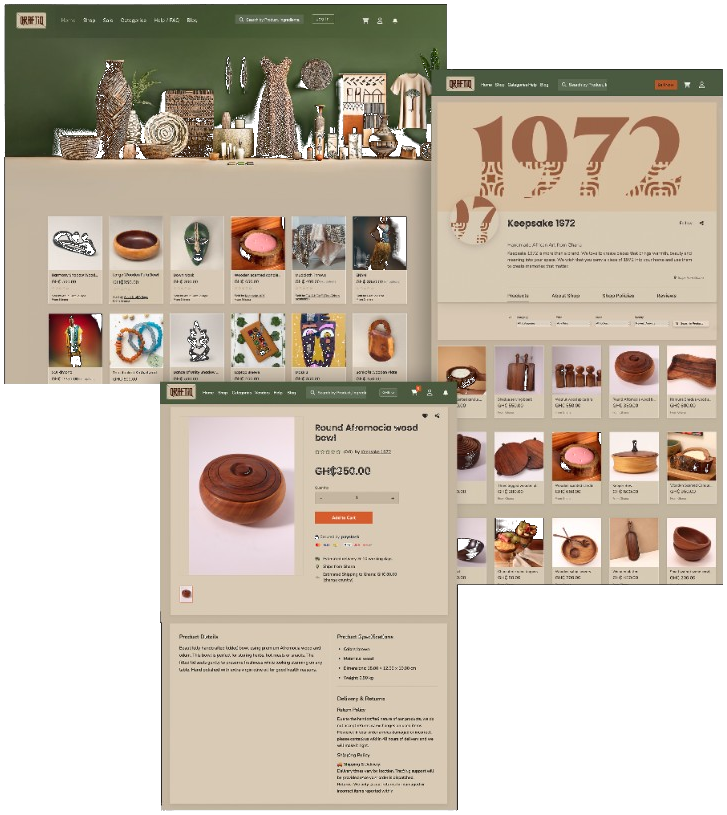
Qraftiq is a marketplace for handmade and independently produced products from African makers.
But the marketplace itself is only one part of what we’re building.
We want to create the infrastructure around the maker — the things that make it possible to participate in online commerce without having to build and manage everything alone.
That includes how products are presented and discovered, how buyers and sellers interact, how payments and orders are handled, and the support and tools available to sellers as they grow.
The aim is simple: make it easier for good products to reach the people who are looking for them, while making the experience better for everyone involved.
Built around trust
Trust is at the centre of any marketplace.
When you buy something in a physical shop, you can pick it up, look at it from different angles, examine the material and ask questions.
Online, you can’t.
The information, photographs, seller details, policies, payment process and everything around the purchase have to do much more of the work.
That’s why presentation matters — but it’s only one part of trust.
A buyer should be able to understand what they’re buying, know who they’re buying from, have access to the information they need and feel confident about what happens after they click “buy.”
The same applies to sellers.
They shouldn’t feel that they’re simply uploading products and hoping someone finds them.
They should have a platform that is designed to support the business behind the product.
Not another place to upload and hope
A lot of marketplace models are built around volume. More sellers. More products. More listings.
That can work well for some types of businesses.
But we didn’t want Qraftiq to be about simply getting as many products online as possible.
We’d rather build something considered.
That means being thoughtful about what comes onto the platform, how products are presented, how buyers experience them, and what sellers need to operate and grow.
Curated doesn’t mean exclusive. It means intentional.
We don’t expect every maker to arrive with a perfectly photographed catalogue, a sophisticated website or a fully developed online business.
We’re building Qraftiq so that makers can develop and grow with the platform.
And this matters to buyers too
It’s easy to talk about supporting sellers, but the other side of the marketplace matters just as much.
Buyers deserve a good experience too.
They should be able to discover interesting products without having to fight through endless listings.
They should be able to understand what they’re buying.
They should be able to trust the information they’re given.
And they should feel confident that the product they receive is a fair representation of what they saw online.
A marketplace only works when both sides of it work.
We’re building the infrastructure around the product
Ultimately, Qraftiq isn’t just about putting more products online.
It’s about making the journey from maker to market to buyer work better.
The product is the starting point. Around it, there needs to be a system that helps people discover it, understand it, trust it, purchase it and receive it — and helps the person who made it actually manage that process.
That’s the part that I felt was missing. And that’s what we’re building.
We’re starting with what matters
Qraftiq is still growing, and we’re not pretending to have everything figured out.
We’re building it step by step.
We’re learning from the makers who join us, from the people who shop with us and from the realities of running an online marketplace.
The goal isn’t to become the biggest marketplace overnight.
The goal is to build something useful.
A platform that makers can actually work with. A place where buyers can feel confident. And an infrastructure that makes it easier for good products from African makers to reach markets beyond their immediate surroundings.
That’s why we built Qraftiq.
Not because there weren’t already enough places to sell online.
But because we believed there was room for something more thoughtful, more supportive and built around the realities of the people on both sides of the marketplace.